

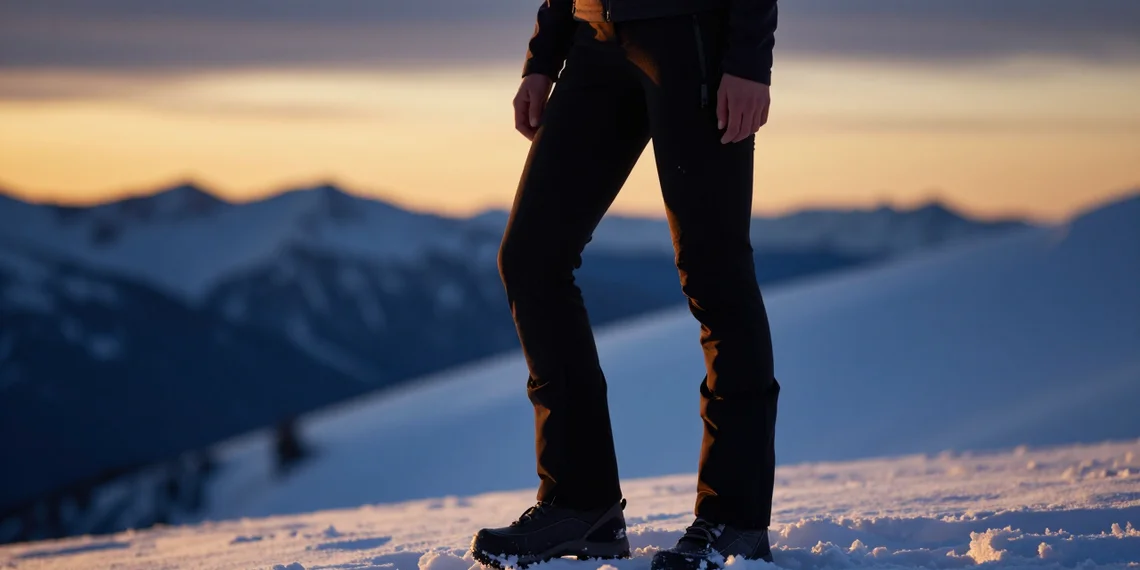
You know that specific, miserable feeling. It’s 6 AM, the thermometer is screaming “stay in bed,” but you’re staring at your closet trying to figure out how to layer up without looking like a walking marshmallow. It’s the eternal winter struggle.
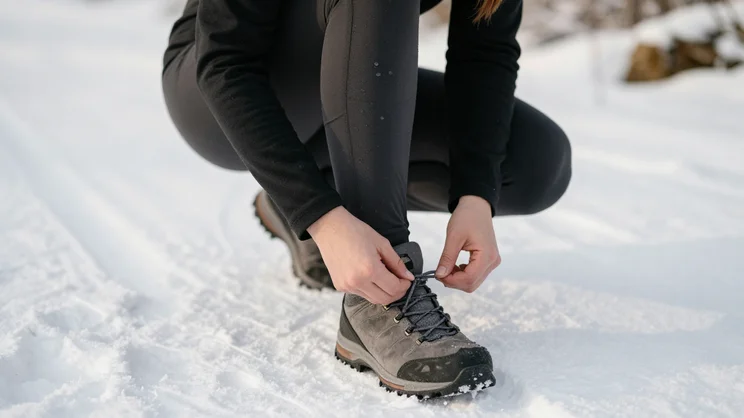
You usually have two bad options: dress warm and lose the ability to bend your knees, or dress for mobility and end up with purple, frozen thighs after twenty minutes. I’ve been there. I’ve worn the heavy snow pants that make a swish-swish sound loud enough to scare off wildlife, and I’ve tried layering cotton leggings that just soaked up melted snow like a thirsty sponge. It sucks.
But I finally found the sweet spot. Women’s hiking pants have evolved—specifically the ones that hide a cozy secret inside without making you look two sizes larger.
Why Choose Waterproof Fleece Lined Pants for Winter?
Let’s be real for a second. Leggings are great. I live in them. But when the wind cuts through the valley like a knife, that thin Lycra isn’t doing you any favors. It’s basically just skin painting at that point. You need a barrier.
That’s where waterproof fleece lined pants come in—and I don’t mean those stiff, plastic-feeling rain pants your mom made you wear in third grade. We are talking about softshell technology here. It’s this weirdly perfect hybrid material that blocks the wind (absolute requirement) and sheds light rain or snow while the inside feels like you’re still in your pajamas.
If you are hiking, snowshoeing, or just trying to survive a commute in a blizzard, the combination of a water-resistant shell and a thermal liner is the only way to stop the “wet cold” from seeping into your bones. It keeps the heat in and the slush out. Simple.
Baleaf Laureate Review: Key Features Breakdown
Okay, let’s talk about the gear I’m actually wearing right now (yes, really). The Baleaf Laureate collection. If you are looking for solid women’s hiking pants that won’t cost as much as your car payment, this is it. But let’s dissect why they work, because I’m incredibly picky about my gear.
Ultimate Warmth: Thermal Pants for Snow
The lining isn’t that thick, fuzzy Sherpa stuff that makes you sweat the second you step indoors. It’s a micro-fleece—90% Polyester mixed with Spandex. It traps heat efficiently.
I took these out when it was hovering around freezing—you know, that nasty wet cold that feels heavier than dry cold—and these thermal pants for snow held up. You feel “toasty” (a word I hate using, but it fits) without overheating. It’s a delicate balance. If you start sprinting up a ridge, you won’t feel like you’re wrapped in cling wrap. The breathability is decent, which saves you from that gross clammy feeling post-hike.
Freedom to Move: The Articulated Knee Pants Advantage
Here is my biggest pet peeve with winter gear: Stiffness. You try to step over a fallen log or squat down to tie your boot, and the fabric fights you. It pulls at the thighs. It restricts. That’s why the design here matters.
These are articulated knee pants. Basically, the designers stitched extra fabric darts around the knee joint so the pants are naturally curved—kind of like your actual leg. I tested this by doing an awkward lunge in my living room (don’t judge) and then climbing a rocky outcrop last weekend. No resistance. Zero. You can move freely, which is surprisingly rare in winter gear. It’s crucial if you’re crouching to take photos or scrambling up a steep incline.
Practical Design: Pockets and Fit
Can we talk about pockets? Why do so many brands think women don’t carry stuff? These have four. Four zippered pockets.
I can fit my phone, my keys, a snack bar, and probably a small rock collection if I wanted to. And the zippers mean I’m not losing my car keys in a snowbank. Essential. Regarding the fit of these women’s fleece lined hiking pants—because sizing online is a minefield—they can run a bit snug because of the liner. Many users (myself included) recommend sizing up if you have athletic thighs or plan on wearing a base layer underneath. Though honestly, the fleece is usually warm enough on its own for active use. The adjustable cord lock at the cuffs is a nice touch too—keeps the snow from creeping into your boots.
Real User Experiences & Activities
It’s not just for scaling peaks. I grabbed a coffee with a friend the other day after a morning hike, and I didn’t look like I just rolled off a ski lift. They pass the “grocery store test.”
I’ve combed through hundreds of comments and seen reviews from people walking their dogs in 30-degree weather who swear by them. One user mentioned using them for winter cycling because the tapered leg doesn’t get caught in the chain. Another hiker in the Rockies mentioned the windproof quality saved her day when the gusts picked up above the treeline. Versatility is the point here—you want pants that work for the hike and the après-ski beer.
The Verdict
Look, winter is long. Too long to be miserable and cold. You need gear that works.
These pants strike that annoying-to-find balance between keeping you dry, keeping you warm, and letting you actually move your body. Stop overthinking it. Grab a pair—maybe two if you’re like me and hate doing laundry. With the free returns, the risk is low, but the payoff of not freezing your butt off? Huge.
Frequently Asked Questions (Q&A)
1. Are these pants actually waterproof or just water-resistant?
They are water-resistant. They will handle light rain, snow, and splashes perfectly fine, keeping you dry. However, if you plan on sitting in a puddle for an hour or hiking in a torrential downpour, water might eventually seep through. For 90% of winter activities, they are perfect.
2. How warm are they? Do I need a base layer?
For active use (hiking, walking, snowshoeing), most people find them warm enough on their own in temperatures down to 20°F-30°F (-6°C to -1°C). If you are standing still for long periods or it’s well below zero, you’ll want to size up and wear a thermal layer underneath.
3. Do they make a “swishing” noise when walking?
Unlike traditional hard-shell snow pants, these softshell pants are much quieter. There is a very slight sound due to the water-resistant coating, but it’s not the loud, annoying friction noise you get with cheap ski gear.
4. Are these suitable for skiing?
For cross-country skiing or spring skiing? Absolutely. They offer great mobility. For intense downhill skiing on very cold days, they might be a bit thin unless used with a strong base layer, but they work great for après-ski or lighter snow sports.
5. How does the sizing compare to regular leggings?
Because the fabric doesn’t stretch as much as yoga leggings (due to the windproof layer), they have a more structured fit. If you are between sizes or prefer a looser fit, go one size up.